Bone strength can change gradually with age, sometimes without causing noticeable symptoms until a fracture occurs. A bone density scan offers a simple way to assess bone health and identify changes that may increase fracture risk.
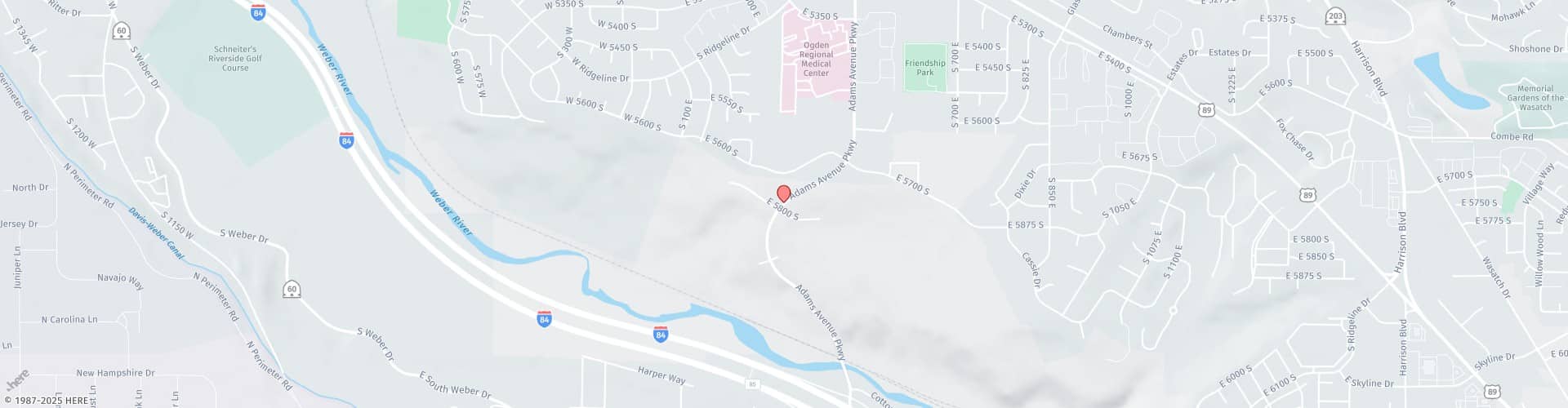
At Utah Orthopaedics in Ogden, UT, board-certified orthopaedic surgeons provide comprehensive musculoskeletal care, and the practice’s on-site Bone Health Clinic offers advanced bone-density testing and diagnostic imaging.
For patients concerned about osteoporosis or fracture risks, testing can provide useful information before a serious injury happens.
What Does a Bone Density Scan Measure?
A bone density scan measures the amount of mineral contained within certain bones, most commonly the hip and spine. Greater mineral density generally indicates stronger bones, while lower measurements may suggest reduced bone strength.
Results can help identify osteopenia, which refers to bone density below the expected range, or osteoporosis, a condition associated with more substantial bone loss and a higher fracture risk.
Because osteoporosis may develop without obvious warning signs, bone density testing can reveal changes that aren’t apparent from how someone feels.
How Results Relate to Fracture Risks
Bone density is one important part of estimating the likelihood of a future fracture. A lower measurement may mean bones are less able to tolerate falls or other forces that would not normally cause an injury.
Providers may also consider factors such as:
- Age and overall health
- Previous fractures
- Family history of osteoporosis
- Long-term use of certain medications
- Changes in height or posture
- Lifestyle factors that affect bone health
A scan does not predict whether a fracture will definitely occur. Instead, it provides a clearer picture of bone strength so you can address potential risks.
What Happens After Low Bone Density Is Found?
Treatment recommendations depend on the degree of bone loss and other individual risk factors. Care may include nutrition and activity changes, fall-prevention strategies, medications, or monitoring with future bone density scans.
The Bone Health Clinic at Utah Orthopaedics can also evaluate whether osteoporosis may be contributing to fractures or persistent back pain. Personalized care can help protect remaining bone strength and reduce preventable injuries.
Take a Closer Look at Bone Health in Ogden, UT
Knowing about reduced bone density before a fracture can help protect long-term mobility and independence. Testing can also help determine whether additional evaluation or treatment may be appropriate.
To learn more about bone density testing and fracture risks at Utah Orthopaedics in Ogden, UT, call 801-917-8000 to schedule a consultation.