A rotator cuff injury can make reaching overhead, lifting objects, getting dressed, or even sleeping on the affected shoulder uncomfortable. Some injuries improve with conservative care, while others may need surgery when pain, weakness, or loss of function continues.
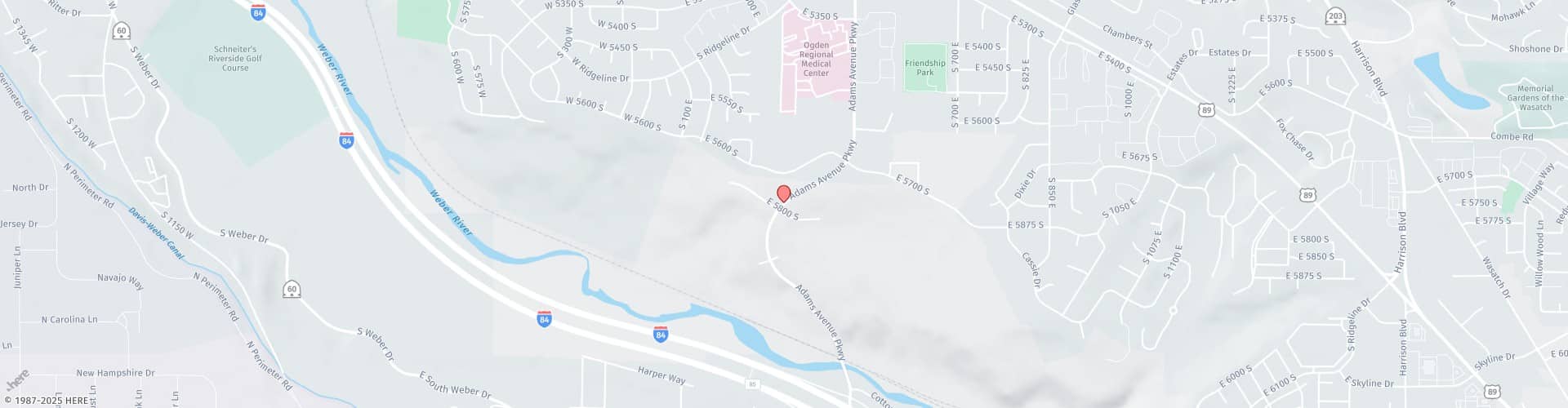
Utah Orthopaedics provides comprehensive shoulder and sports medicine care from its Ogden office, where a multidisciplinary team evaluates injuries ranging from overuse-related tendon damage to more significant tears. With experience in both conservative treatment and minimally invasive orthopedic surgery, the team can determine when Arthroscopic Rotator Cuff Repair may be appropriate for restoring shoulder function.
What Makes a Rotator Cuff Injury More Likely to Need Surgery?
Not every tear requires an operation. Treatment decisions depend on the size and location of the tear, how long symptoms have been present, and how much the injury affects daily activity.
Surgery may be discussed when a patient has:
- Ongoing pain despite physical therapy and activity changes
- Significant shoulder weakness
- A complete or larger tendon tear
- Difficulty performing work, sports, or routine tasks
- A sudden traumatic tear in an otherwise healthy tendon
- Symptoms that continue to worsen over time
Age, activity level, overall health, and tendon tissue quality can also influence the recommendation.
When Conservative Treatment May Come First
Utah Orthopaedics generally emphasizes nonsurgical treatment before surgery when appropriate. A milder rotator cuff injury may improve with physical therapy, temporary activity modification, anti-inflammatory treatment, or other approaches designed to reduce pain and strengthen the shoulder.
Conservative care may be especially appropriate for smaller tears that are not causing major weakness or loss of motion. Imaging and a physical examination help determine whether continued nonsurgical treatment is reasonable.
How Arthroscopic Rotator Cuff Repair Works
Arthroscopic Rotator Cuff Repair is performed through small incisions using a camera and specialized surgical instruments. The surgeon repositions the damaged tendon and secures it to the bone so it can heal.
Compared with traditional open surgery, arthroscopy generally allows the surgeon to work through smaller incisions and directly examine the shoulder joint. Recovery still takes time because the repaired tendon must gradually heal before strength and motion fully return.
Physical therapy is usually an important part of post-surgery rehabilitation.
Explore Rotator Cuff Treatment Options in Ogden, UT
Persistent shoulder pain and weakness can limit both everyday movement and athletic performance. Determining the extent of a rotator cuff injury can clarify whether conservative care or surgical repair is the more appropriate next step.
To discuss Arthroscopic Rotator Cuff Repair with the orthopaedic team at Utah Orthopaedics in Ogden, UT, call 801-917-8000 to schedule a consultation.