Knee pain does not always come from a ligament or muscle problem. Cartilage damage inside the joint can also cause discomfort, swelling, stiffness, and changes in how the knee moves, especially during activities that put more pressure on the joint.
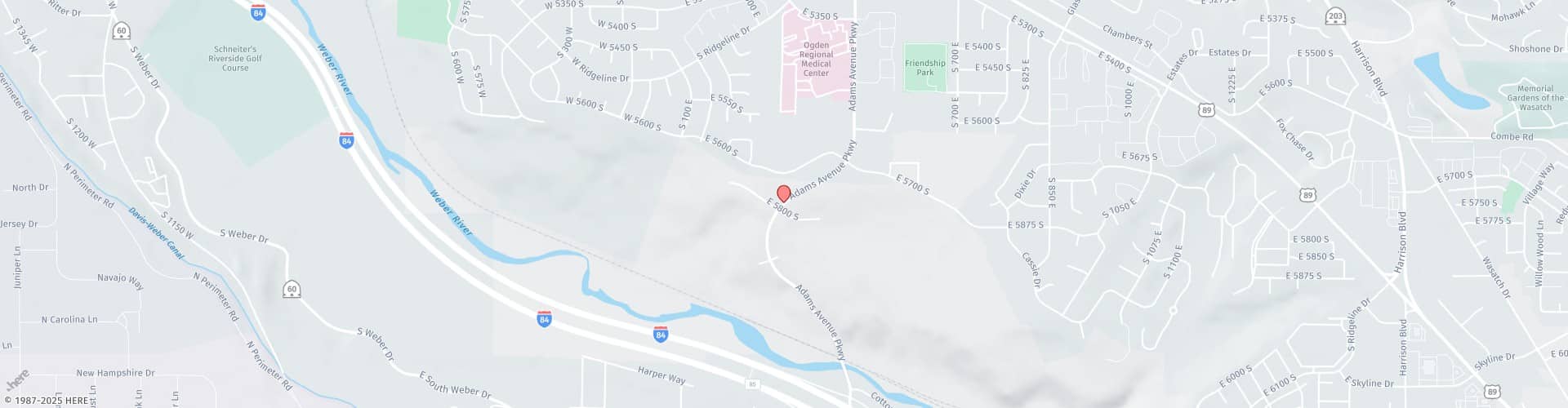
Utah Orthopaedics brings together specialists in knee conditions, sports medicine, musculoskeletal care, and rehabilitation at its Ogden office. With access to advanced diagnostic imaging, physical therapy, and minimally invasive surgical techniques, the team can evaluate whether a knee injury involves cartilage damage and build a treatment plan around the severity of the problem and the patient’s activity goals.
Common Signs of a Knee Cartilage Injury
Cartilage helps the surfaces inside the knee glide smoothly and absorb stress during movement. When that tissue is damaged, symptoms can vary depending on the injury’s location and severity.
A knee cartilage injury may cause:
- Pain with walking, squatting, or climbing stairs
- Swelling that develops after activity
- Stiffness or reduced range of motion
- Clicking, catching, or grinding sensations
- A feeling that the knee is locking
- Difficulty fully bending or straightening the joint
Some patients notice a dull ache, while others experience sharper pain during certain movements.
Why Cartilage Damage Can Be Easy to Miss
Unlike a major ligament tear, cartilage damage doesn’t always follow an obvious injury event. It may develop after a direct impact, repeated stress, or another knee injury that affects the joint surface.
Symptoms may also come and go at first. Pain that improves with rest but returns with activity can make the problem seem minor, even when the underlying cartilage isn’t healing normally.
Because cartilage has a limited blood supply, certain injuries may not repair themselves easily.
How Knee Cartilage Damage Is Diagnosed
An orthopaedic evaluation usually begins with a physical exam and a discussion of when the symptoms started. Imaging may be used to identify cartilage loss, bone changes, or other injuries in the knee.
Treatment depends on the extent of the damage, the patient’s activity level, and whether other structures are involved. Options may include activity modification, physical therapy, medication, injections, or surgical treatment for more significant damage.
Get Persistent Knee Pain Evaluated in Ogden, UT
Ongoing swelling, catching, stiffness, or pain with movement may indicate a knee injury that involves more than temporary soreness. Identifying cartilage damage early can help guide treatment and reduce further stress on the joint.
To have persistent knee symptoms evaluated at Utah Orthopaedics in Ogden, UT, call 801-917-8000 to schedule a consultation.